Courses Taught
SOC 411 Introduction to Computational Methods for the Social Sciences (Graduate Seminar)
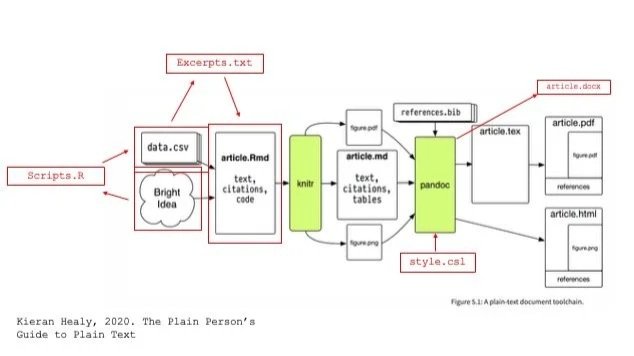
From raw data to paper
Social scientists use computers for every step of the research process, but seldom take advantage of their full potential. This course equips social scientists with computational principles and habits for making the research process more efficient, flexible, and reproducible. It also provides a solid foundation for pursuing advanced computational methods. The course is designed for early stage graduate students using any research method (statistical, ethnographic, historical comparative, etc.) with no specialized background in computational methods. Most techniques taught in this course require concentrated time and effort (learning, installing, and customizing) but offer exponential gains in efficiency and peace of mind over one’s research career.
SOC 316 Economic Sociology (Undergraduate Lecture)

A Theory of Lemons
Discussions of “the economy” often seem distant and technical. But economic activity can also be viewed like any other social activity: behavior that is structured by norms, institutions, and relationships. Economic Sociology presents this perspective. The course discusses sociology’s main insights about “the economy” and how they contrast with perspectives from economics and psychology. Among other topics, we will discuss money’s functions in intimate ties, changing norms around financial management, the relationship between money, gender, and race, and how this all relates to aggregate trends of inequality.
SOC 329 Field Research and Methods of Data Collection (Undergraduate Lecture)

UnREAL Demonstrate Interview Techniques
The best way to learn field methods is to conduct field research. Each student embarks on a small project that allows them to practice collecting data, analyzing data, and writing it up. Along the way students learn about the complex challenges and rewarding experience of conducting qualitative research.
SOC 101-8 How Elites Stay on Top (Undergraduate First-Year Seminar)

Succession happens around the dinner table
Who is “elite”? And what do elites do to stay on top? In an era of extreme economic inequality and populist politics in the United States, many point to elites as a group to rally against, but few explain what it takes to be elite. This writing seminar explores cutting-edge social science on how to define this group, relying on timely evidence and centuries-old theoretical debates. The course also examines how individuals go about maintaining their elite status and passing it on to their children. Through consecutive writing exercises, students do not only refine their understanding of contemporary elites in the United States, but also learn the central tenants of academic writing in the social sciences.
SOC 398 Sociology Senior Thesis (Undergraduate Senior Seminar)
This course is designed to help students not only complete a thesis but write a good one. Over the span of two quarters, students design, carry out, and complete a research project, formulate a contribution to sociological literature, analyze data, and write up a thesis. Students get a taste of graduate-level research and what it means to be a sociologist.